Impact of Sedentary Work on Pelvic Microcirculation
How 8 hours of daily desk work impairs pelvic vascular flow and why 45-minute micro-movement intervals are essential for urological vitality.
Read full monograph →A comprehensive clinical review of physiological changes occurring after age 40. Learn how pelvic microcirculation, targeted pelvic floor muscle training, and evidence-based nutrition support natural urinary comfort.
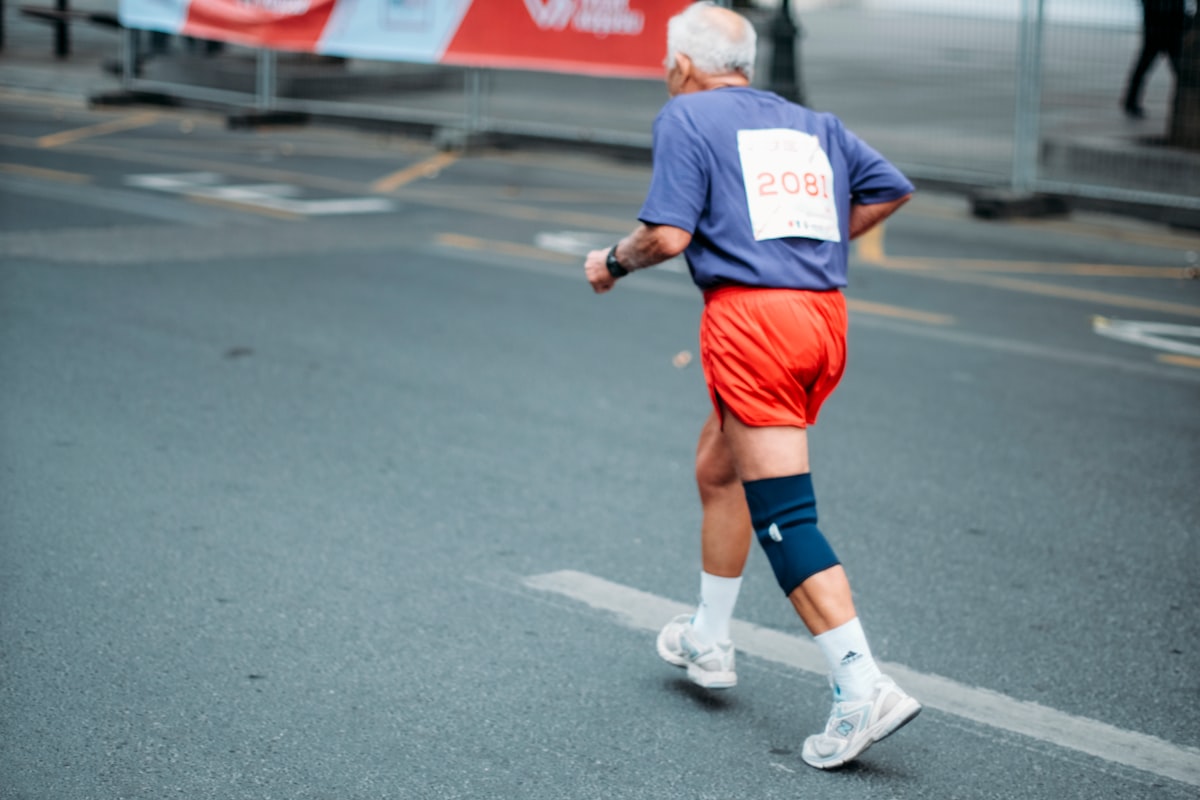
Natural tissue evolution of the prostate gland and factors determining long-term bladder health.
Increased daytime urination frequency often results from mild smooth muscle tone alterations in the bladder neck and reduced flexibility of the tissues surrounding the prostatic urethra.
Read clinical breakdown →Waking up multiple times at night to urinate disrupts essential NREM and REM restorative sleep phases. Implementing an evening hydration timing strategy is a cornerstone of restorative sleep hygiene.
Learn more →A reduced flow rate or a sensation of incomplete bladder emptying indicates the necessity of pelvic floor muscle training alongside periodic urological screenings and PSA monitoring.
View diagnostic guidance →Moderate, regular physical activity directly stimulates microcirculatory blood and lymph flow throughout the lesser pelvis, mitigating venous pooling associated with prolonged sedentary posture.

The physiological role of dietary antioxidants, essential fatty acids, and trace minerals in supporting prostate cellular integrity.
| Nutrient | Primary Dietary Sources | Physiological Mechanism | Institute Recommendation |
|---|---|---|---|
| Lycopene (Carotenoid) | Cooked tomato products, watermelon, pink grapefruit | Potent antioxidant neutralizing reactive oxygen species in prostate tissue | Consume with healthy fats (e.g. olive oil) to maximize bioavailability |
| Zinc (Organic Zinc) | Pumpkin seeds, seafood, sunflower seeds, legumes | Supports healthy hormonal regulation and protective enzyme synthesis | Incorporate raw, unprocessed seeds into daily dietary intake |
| Beta-sitosterol | Plant oils, avocados, nuts, flaxseeds | Supports normal urinary flow dynamics and lipid metabolism balance | Replace trans fats with monounsaturated and polyunsaturated lipids |
| Omega-3 Fatty Acids (EPA/DHA) | Fatty cold-water fish (wild salmon, mackerel, sardines) | Helps downregulate systemic inflammatory cascade mediators | Minimum 2 servings of fatty fish weekly or high-grade marine oil |
Verified publications prepared by the BERGEN.KIDS DA editorial board.
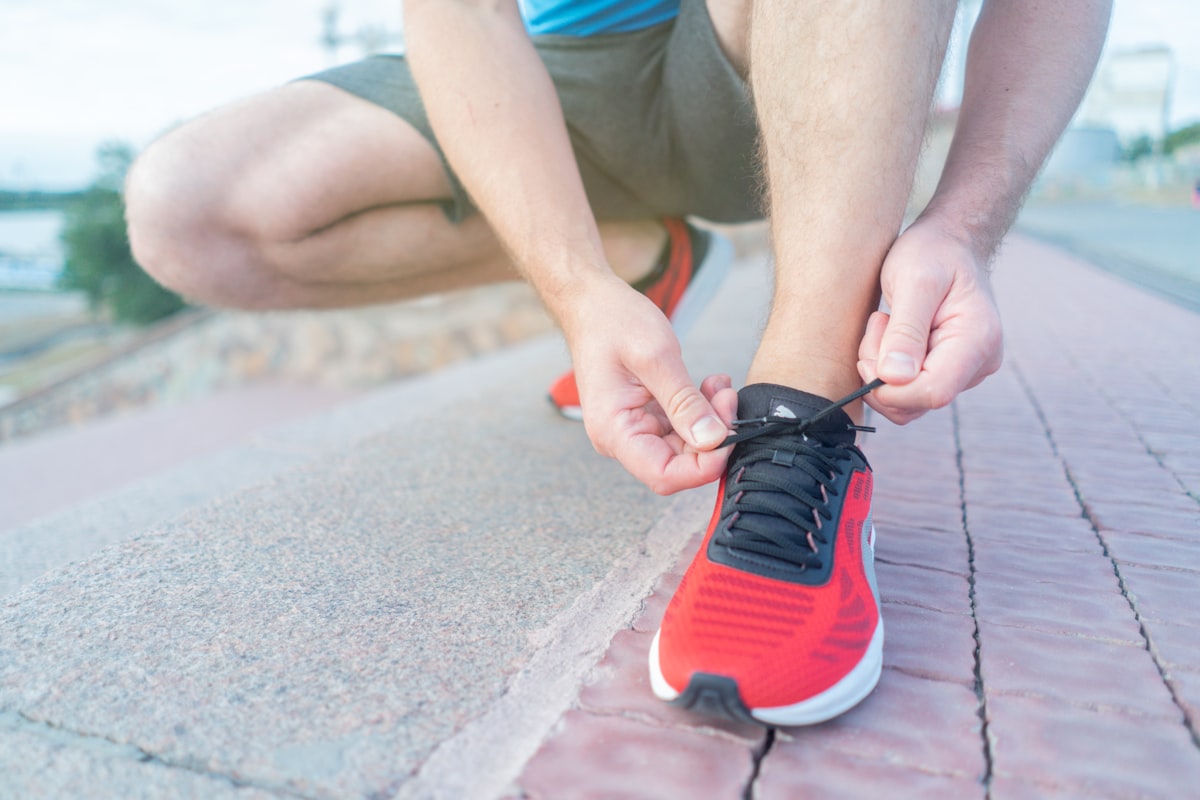 Physiology
How 8 hours of daily desk work impairs pelvic vascular flow and why 45-minute micro-movement intervals are essential for urological vitality.
Read full monograph → Nutrition
A review of randomized clinical trials exploring green tea extract, pomegranate polyphenols, and pumpkin seed sterols on urinary flow.
Read full monograph → Diagnostics
Why regular screening after age 45 represents the gold standard of modern urology and how to prepare for your clinical examination.
Read full monograph →Clinical answers formulated based on European Association of Urology (EAU) guidelines.
Our editorial and advisory staff will gladly provide relevant monographs, research summaries, and informational guides.